

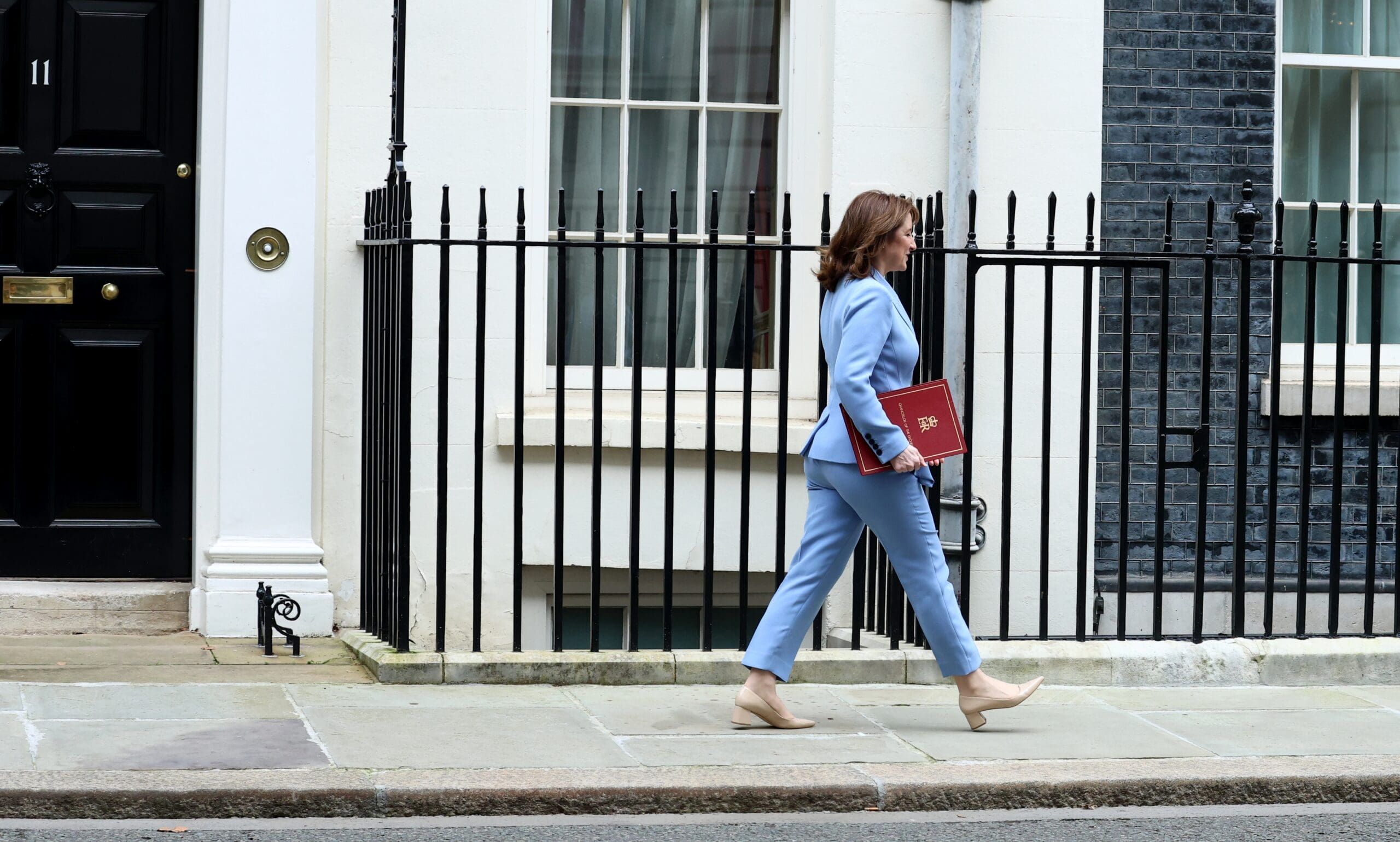
Rumours are circulating that Chancellor of the Exchequer Rachel Reeves is planning to impose a new 22% charge on interest earned from cash held in a Stocks and Shares ISA from April 2027.
While nothing has been confirmed yet, here’s what could change and what it could mean for you.
What is the proposed 22% charge on cash in a Stocks and Shares ISA?
Currently, any cash you hold inside a Stocks and Shares ISA, whether that’s uninvested money sitting on the side or interest earned from cash-like products, is completely tax-free.
But now that could be about to change.
Reeves is reportedly planning to impose a 22% tax charge on any interest earned from cash held inside a Stocks and Shares ISA, starting from April 2027.
Following the Cash ISA allowance cut from April 2027, announced in the 2025 Autumn Budget, the government wants to stop savvy savers from parking their cash inside a Stocks and Shares ISA to dodge the new Cash ISA limits (more on those below).
However, this isn’t entirely new ground.
Before 2014, a 20% charge applied to cash interest inside Stocks and Shares ISAs. The new proposal would bring that back — only this time at 22%, in line with the incoming savings interest tax rate change from April 2027.
Why is Rachel Reeves changing the ISA rules?
The government thinks the UK general public saves too much and invests too little.
Compared to other G7 nations, British households have historically kept a much larger portion of their money in cash savings rather than putting it to work in the stock market.
Reeves wants to change that and turn us into a nation of investors, rather than savers.
And she’s hoping that with more retail investors, it will mean more money flowing into UK businesses, driving growth and boosting tax receipts.
What is changing with the Cash ISA allowance in April 2027?
Before we get into what the proposed Stocks and Shares ISA changes could mean for you, it’s worth a quick refresher on the Cash ISA changes announced in the 2025 Autumn Budget.
Back in November, Reeves announced that while the overall annual ISA allowance will remain at £20,000, the Cash ISA allowance for under-65s will be cut from £20,000 to £12,000 — also from April 2027.
So if you’re under 65, you’ll still be able to put £20,000 a year into ISAs — but no more than £12,000 of that can be put into a Cash ISA.
The remaining £8,000 would need to go into a Stocks and Shares ISA, an Innovative Finance ISA, or a Lifetime ISA.
Over-65s are exempt from the cut and keep the full £20,000 Cash ISA allowance.
It’s this change that’s driving the proposed 22% charge. Without this proposed change, anyone could simply put their full £20,000 into a Stocks and Shares ISA and leave it in cash — effectively getting around the new £12,000 limit. The government has spotted that loophole and is moving to close it.
Cash ISA vs Stocks and Shares ISA: which one’s right for you?
Will Overnight Rate ETFs be affected?
This is still a big unknown and it’s the question a lot of investors are rightly asking.
Overnight Rate ETFs have become popular options for investors who are looking for a better return than a standard savings account, but don’t want to take on too much risk.
In fact, almost one in five InvestEngine investors hold one and they’re frequently featured in our most popular ISA ETFs list.
They typically track something like the Bank of England’s SONIA rate — the average interest rate offered by major banks — and right now that’s targeting around 3.74%.
The government has previously signalled that ‘cash-like’ investments held inside Stocks and Shares ISAs could fall within the scope of these new rules. The worry is that products like Overnight Rate ETFs might be classified as ‘non-qualifying assets’ if held in large enough proportions.
Unfortunately the Treasury still hasn’t confirmed how these ETFs will be treated.
If they do become ‘taxable’ within the Stocks and Shares ISA, investors could look to pivot to fixed-income investments like bonds, although these are usually slightly riskier than Overnight Rate ETFs.
However, there are also reports that investors could potentially sidestep the rules altogether by holding a token amount of stock alongside their cash — though these are just rumours for now. If it’s true it would raise serious questions about how workable these rules are in practice, and whether they’ll actually achieve what the government is hoping for.
It’s still too early to tell right now, but hopefully we’ll get some more clarity soon.
Top 10 most popular ISA ETFs UK investors are buying right now
How could this affect your savings?
If you currently hold a Cash ISA
The good news is that nothing is expected to change until April 2027 and that means you still have the full £20,000 Cash ISA allowance for this tax year.
However, from April 2027, if you’re under 65, your Cash ISA contributions will be capped at £12,000 per year. The remaining £8,000 of your ISA allowance can be put to work in another type of ISA, like an InvestEngine Stocks and Shares ISA.
If you hold cash inside a Stocks and Shares ISA
If you’re currently letting cash sit uninvested inside your Stocks and Shares ISA and earning interest on it, you could face a 22% charge on any interest from April 2027.
Whether products like Overnight Rate ETFs will be caught by the same rules remains to be seen.
If you’re not yet investing
It’s clear the government is actively trying to encourage investing and are making cash savings less tax-efficient.
For anyone not yet in the habit of investing, the ISA wrapper remains one of the most powerful tools available — and the Stocks and Shares ISA is where the full £20,000 allowance can still be used freely.
Cash certainly has its place in a wider portfolio. But if you truly want to grow your wealth over the long term, investing in the stock market is still the best option.
The bottom line
The ISA landscape is changing and the direction of travel seems to be more towards investing over hoarding cash.
For under-65s, the effective tax-free cash savings limit is being cut. And if the proposals go ahead as reported, holding cash inside a Stocks and Shares ISA will no longer get a free ride either.
The Stocks and Shares ISA is still the most powerful tax wrapper available for long-term investors. If you’ve been putting off making your ISA work harder, now could be a good time to start.
5 ETF ideas for a Stocks and Shares ISA for the new tax year
Important information
Capital at risk. Unlike cash, the value of your investments may go down as well as up, and you may get back less than you invest. Past performance is not indicative of future performance.
ETF costs apply. Remember, ISA and tax rules can change and any benefits depend on individual circumstances. If in doubt, you may wish to consult a professional adviser for guidance.