


TL;DR: A sole trader structure is simple to run, but you are personally responsible for business debts. A limited company is a separate legal entity with more admin, but it can reduce personal risk and give you more planning options. A partnership shares ownership and responsibility, which can be flexible, but it needs clear agreements. The “best” structure for you depends on risk, admin appetite, profit level, and how you want to grow.
How different business structures work
When you start out as a small business owner, one of the first questions you’ll have to confront is what type of business you want to run.
A useful way to think about these various business structures is how separate the business is from you as a person.
As a sole trader, the business and the owner are effectively the same for legal purposes. That is why it is easy to run, but it also means you carry more personal risk.
With a limited company, the business is its own legal entity. That often reduces personal liability, although directors still have duties and responsibilities, and it increases admin and reporting.
A partnership sits somewhere in between, depending on the type of partnership and how it is set up.
Sole trader (self-employed)
Being a sole trader is usually the fastest way to start trading. You keep full control, you can often keep admin relatively light, and taking money out is straightforward because the profits are essentially your income.
The main trade-off is liability. Because you and the business are not legally separate, business debts or legal claims can put personal assets at risk. For some lower-risk businesses that is acceptable, but for higher-risk activities it is an important consideration.
Limited company (Ltd)
A limited company is a separate legal entity, which is why many growing businesses choose it. It can look more established to customers and suppliers, it can make it easier to keep business finances clearly separate, and it can give more flexibility around how profits are used.
Many directors like the ability to reinvest profits inside the company and decide how money is taken out over time. However, the trade-off is admin and responsibility. You will usually need more formal bookkeeping, annual accounts, and filings, and company information is typically recorded publicly via Companies House.
Partnership
A partnership is when two or more people run a business together. It can be a practical structure if you are building with a co-founder or team and want shared responsibility.
The risk is that partnerships can become complicated without clear agreements. The main areas to be clear on are usually:
- How profits are split
- How decisions are made
- What happens if someone wants to leave
- Who is responsible for debts and commitments
Different partnership types also have different legal and reporting requirements, so advice can be worthwhile if the structure is not straightforward.
How this links to Business Accounts and investing
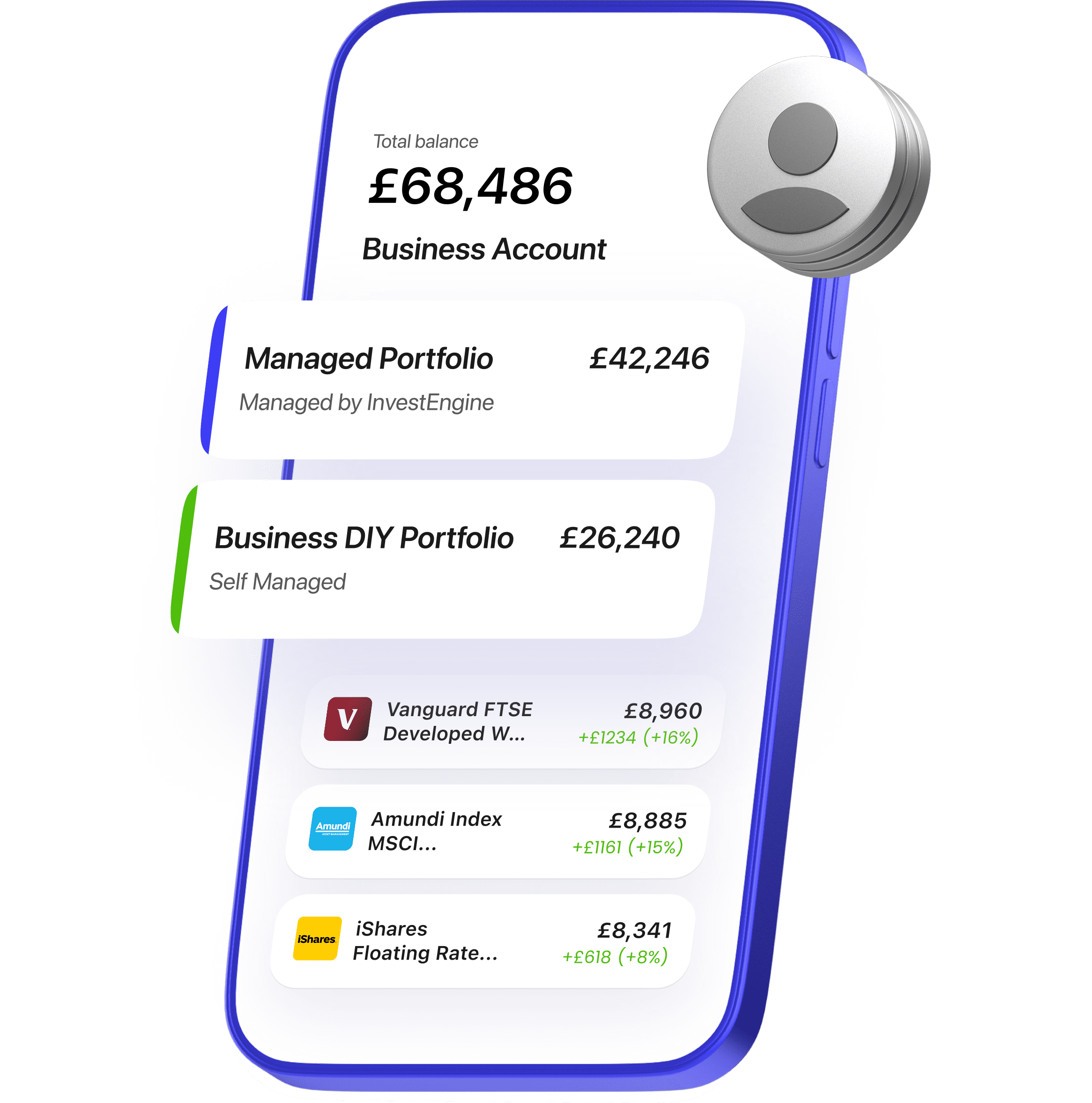
Business investing accounts are typically designed for company money, such as a Ltd company’s retained profits.
If you’re a sole trader, there isn’t the same legal separation between business money and personal money – you can’t set up a Business Account with InvestEngine, so personal investing is the way to go.
Regardless of structure, the same cash-flow principle applies. You should ringfence taxes and operational obligations first, build an appropriate buffer, and then decide what is genuinely surplus.
Put your business cash to work
Take advantage of powerfully simple business investing with InvestEngine. We make it easy to build and maintain a long-term investment portfolio that suits you and your business.
Find out moreCapital at risk. Ts&Cs apply
FAQs
Which structure is “best”?
There is no single best choice. It depends on risk, admin, profit level, and growth plans.
Can I change the structure later?
Often yes, but it can involve admin, accounting, and tax considerations.
Do partnerships have to register with Companies House?
Some partnership structures do, such as LLPs. A basic partnership typically does not in the same way a limited company does.
Why do founders choose a Ltd over a sole trader?
Often for limited liability, credibility, and more flexibility around retained profits and how they pay themselves.
Does structure affect tax?
Yes. Tax treatment differs across sole traders, partnerships, and companies.
Important information
Capital at risk. The value of investments may go down as well as up, and you may get back less than you invest. Past performance is not indicative of future performance. ETF costs apply. Tax rules can change and any benefits depend on individual circumstances. If in doubt, consider professional advice.