

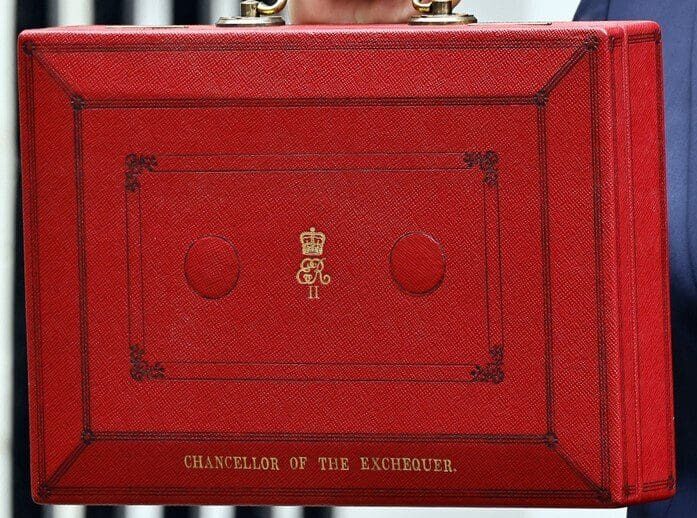
Today (Wednesday 28 October), John Healey delivered the 2026 Autumn Budget – his first Budget as Chancellor of the Exchequer.
Healey started by claiming this was a Budget for “working people”, as he focused on “everyday fixes” to help stretched households, while keeping borrowing under control to avoid spooking bond markets.
Here are the main takeaways from the 2026 Autumn Budget and what it could mean for your money.
2026 Autumn Budget key takeaways: what you need to know
How will the Budget help with everyday costs?
With higher oil and gas prices taking their toll on household finances, it will be a relief for many to hear of Healey’s changes to put the cost of living at the heart of his first Budget.
Energy bills: The VAT cut on household electricity is being extended to July, taking around £50 off the annual price cap. Around 20 million households in council tax bands A to D will also get a one-off £100 energy payment this winter. And from next year, standing charges will be removed from household gas bills.
Fuel: The 5p fuel duty cut and the lower red diesel rate are also both being extended to July 2027.
Pensioners: A new pension tax allowance means pensioners whose income is no more than the full new State Pension won’t pay income tax. Without it, some relying only on the State Pension could’ve faced an income tax bill for the first time, as the personal allowance remains frozen at £12,570.
Most of these measures are temporary, designed to get households through a costly winter. With inflation rising again, it’s a reminder to make sure your savings are keeping pace.
Cash ISA cut scrapped, savings tax rises, a new starter ISA and Lifetime ISA changes
In a U-turn, the Chancellor has scrapped plans to cut the Cash ISA allowance to £12,000 from April 2027. Savers can still put the full £20,000 into cash each tax year.
It’s a welcome change. Our analysis shows more than 2.6 million basic-rate and 800,000 higher-rate taxpayers put over £12,000 into a Cash ISA in 2023/24, so millions of savers would have been affected.
It also keeps ISAs simple. A lower cash limit risked making the rules harder to follow, and there was no guarantee the money pushed out of Cash ISAs would end up invested.
It matters for homebuyers too. Building societies rely heavily on savers’ deposits to fund mortgages, so keeping the full allowance should help protect lending, especially to first-time buyers. That’s all the more important with banks now facing higher taxes.
The government still wants more people to invest for the long term, and instead of penalising cash savers, it’s now offering the carrot instead of the stick.
The Chancellor announced a new starter ISA to reward first-time investors, which will be designed with the industry. Details are yet to be confirmed, but it’s a promising step.
There was also good news for first-time buyers.
Under current rules, using a Lifetime ISA to buy a home worth more than £450,000 triggers a 25% withdrawal charge. Because that charge is bigger than the government bonus, savers can end up with less than they put in.
The Chancellor has now scrapped that penalty for homes above the cap, so savers will at least get their money back. With house prices in many areas now above the £450,000 limit, it removes one of the biggest risks of saving into a Lifetime ISA.
Looking further ahead, the Lifetime ISA is also set to be replaced by a new First-Time Buyer ISA, with full details still to be confirmed.
Saving vs investing: what’s the difference and which is right for you?
Keeping the full allowance matters even more after today.
The Chancellor also announced that tax on savings interest will rise by a further two percentage points from April 2027, on top of the increase announced in last year’s Budget.
That means basic-rate taxpayers will pay 24% on savings interest above their personal savings allowance, higher-rate taxpayers 44% and additional-rate taxpayers 49%. Interest earned inside an ISA, by contrast, stays tax-free.
Bank surcharge goes up
To help pay for cost-of-living support, the Chancellor is raising the bank surcharge – an extra tax on bank profits on top of corporation tax – from 3% to 6%. This will start in January 2027 and end 15 months later.
While this isn’t a huge surprise, the bigger question now is how much of the cost banks absorb and how much gets passed on to customers.
That could mean less competitive savings rates, higher borrowing costs or changes to fees, although competition between banks may limit how far they can go.
The surcharge only applies to banking profits above £100 million a year, so some smaller challenger banks may not be affected at all.
For savers, the message is simple: don’t assume your bank is giving you a good deal. Keep an eye on the interest you’re earning and compare alternatives.
How did the stock market react?
With 10-year government bond (gilt) yields recently hitting their highest level since 2007, and 30-year yields at levels not seen since 1998, bond investors were watching closely ahead of Healey’s first Budget.
Bond prices and yields move in opposite directions. So when yields rise, investors are effectively demanding a higher return for lending to the government. That can be a sign they’re worried about how much it’s borrowing, or whether it has a credible plan to pay it back.
Immediately after the Budget, gilt prices rose slightly meaning yields fell, suggesting markets were somewhat reassured. The 10-year gilt yield, a closer guide to what the government pays on most of its new borrowing, fell to 5.32% – earlier this month it was at 5.52% (its highest level since 2007).
The wider UK stock market has appeared to take Healey’s Budget in its stride, climbing slightly off the back of a seemingly reassuring Budget for both stocks and bonds.
What could the Budget mean for mortgage rates?
Fixed mortgage rates are priced using swap rates. These are what lenders pay to lock in a fixed interest rate, and they tend to move with gilt yields. So when the 10-year gilt yield climbed to 5.52% earlier this month, its highest level since 2007, it put upward pressure on the cost of new fixed-rate deals.
Part of that rise is likely to have reflected nerves ahead of the Budget. Today’s fall to 5.32% suggests some of those nerves might have eased. If yields stay lower and markets remain convinced the government’s numbers add up, lenders could have room to trim their fixed rates in the weeks ahead.
But that’s far from guaranteed. One day’s move is rarely enough on its own, and much will depend on where yields settle. With a possible Bank of England rate rise on 5 November, those on tracker or variable-rate mortgages could still see their repayments go up.
2026 Autumn Budget: 3 tips to pay less tax
1. Make the most of your ISA
Whether you’re still working or retired, one of the best ways to build tax-efficient wealth is by making the most of your ISA allowances.
That’s because once your money is in an ISA, you won’t pay income or capital gains tax.
The good news is that the Chancellor has scrapped plans to cut the Cash ISA allowance, so you can still put up to £20,000 a year into your ISA allowance – whether that’s cash, investments or a mix of both.
What’s even better is that the InvestEngine ISA is flexible, too, which means you can add and withdraw without affecting your yearly £20,000 ISA allowance. You also don’t pay a penny in withdrawal or platform fees when you do so.
2. Use tax relief to power up your pension
While more people are still being dragged into higher tax brackets thanks to the frozen income tax thresholds, it’s a good opportunity to make the most of any extra tax relief you get by putting money into a pension.
Because you get tax relief at your highest marginal rate, these are especially powerful for higher earners.
See how much tax relief you could get
If you’re a basic-rate taxpayer, the government adds 20% tax relief to what you put in, up to £60,000 a year or 100% of your earnings, whichever is lower. However, for higher-rate taxpayers, a £20,000 pension contribution actually costs just £12,000. That’s because the government pays 20% (£4,000) and you can claim another 20% back in tax relief.
For additional-rate tax payers, the amount you can claim goes to 45%, so a £20,000 contribution costs you even less.
So, if you’re a higher-rate or additional-rate taxpayer (or about to become one), pension contributions, like into the InvestEngine Self-Invested Personal Pension, are a powerful way to make the most of the tax tools available.
Frozen income tax bands might mean you pay a higher tax rate than you’re used to, so considering adding money to your pension and making the most of extra tax relief is a no brainer.
They’re about more than just saving for your future – the powerful tax benefits are something all investors should be aware of.
Bonus: make sure you’re maxing out your workplace pension contributions where possible. Free money from your employer is too good a deal to pass up, especially when our wallets are being squeezed.
3. Use any spouse or civil partner allowances
If you have a spouse or civil partner, it makes a lot of sense to plan your finances as a couple, especially if one of you pays less, or no tax at all.
Not only do you both get ISA and SIPP allowances, but you could be making more of other allowances as a couple – for example the personal allowance, personal savings allowance, capital gains and dividend allowances too.
Make sure you’re both using these as best as you can.
And if one of you isn’t using all of yours, then you could think about gifting investments (without worrying about capital gains tax from gifting), so you can shelter more from tax using any allowances you have left.
How to make the most of your tax allowances
Important information
Capital at risk. The value of your investments may go down as well as up, and you may get back less than you invest.
ETF costs apply. If in doubt, you may wish to consult a professional adviser for guidance.
Tax treatment depends on your personal circumstances and may change in future. This article is for general information only and does not constitute financial advice.