


The 2026/27 tax year is here. This means that investors have fresh ISA and pension allowances to use over the next 12 months.
In this article, we’ll take a look at how you can get ahead of the new tax year and set yourself up with some best practices.
From evaluating the risk level of your portfolio to changing providers altogether, this is your essential checklist to get the most out of the 2026/27 tax year.
What are the ISA and SIPP allowances?
Both the individual savings account (ISA) and the self-invested personal pension (SIPP) have yearly tax-free allowances for investors to use. This means that, up to a certain threshold, investments in both wrappers grow tax-free.
- ISA: Each tax year, investors can put up to £20,000 into an ISA
- SIPP: The yearly limit for a SIPP is £60,000, with any unused allowance from the previous three tax years carried forward
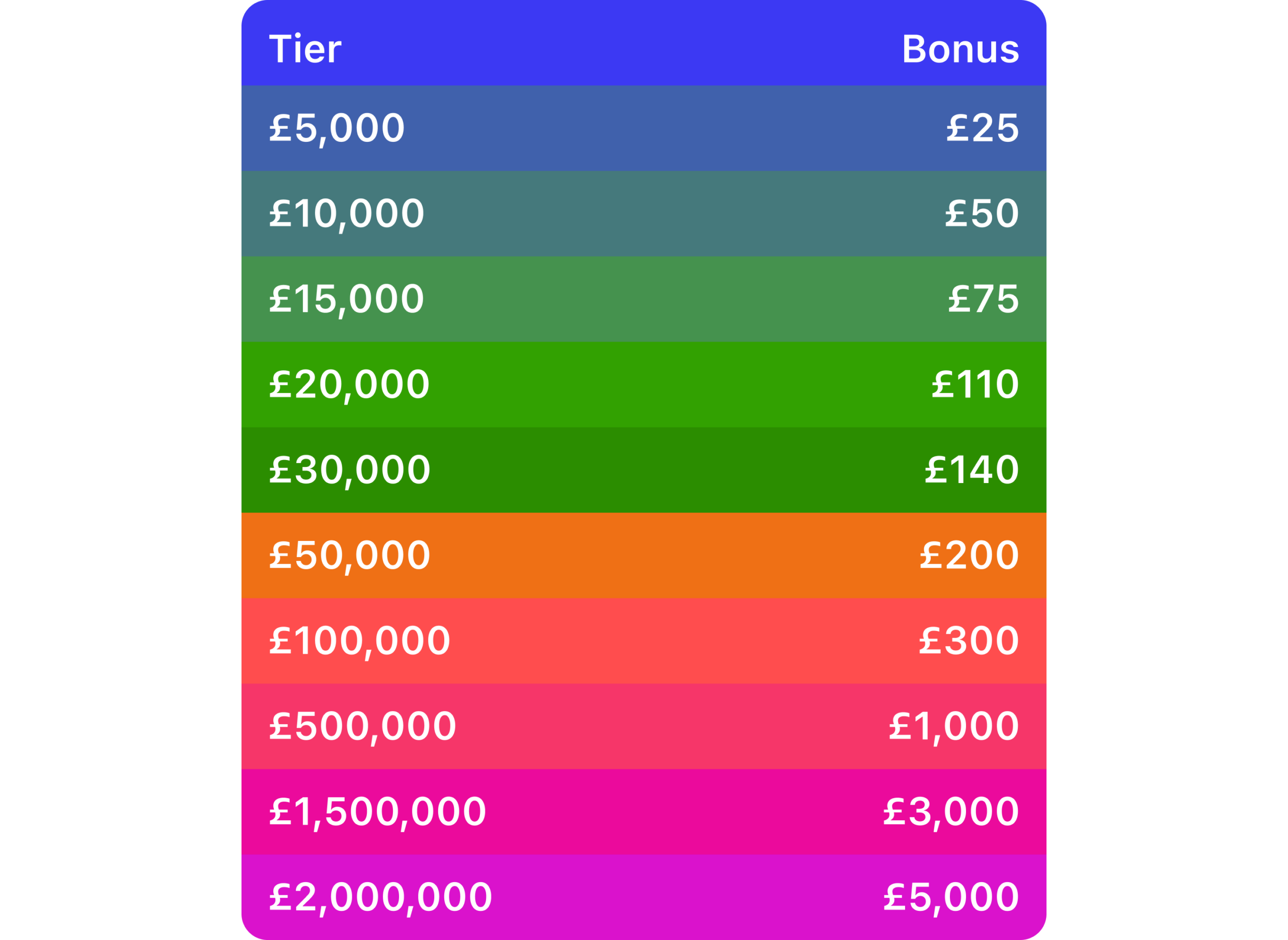
Get up to £5,000 when you transfer
It’s easy to transfer your existing ISA to InvestEngine for fee-free investing. You could also get up to £5,000 when you do switch. ETF costs apply. The bonus is tiered and requires your investment to remain invested for at least 12 months.
Find out moreCapital at risk. Ts&Cs apply
Before transferring, please review any fees, exit costs and whether your existing investments would need to be sold and reinvested into ETFs.
How to hit the ground running in 26/27
Review what you’re invested in
A sensible starting point is to check if your current investments still match up with your goals. This means reviewing factors like how long you’re investing for, how reliant you are on your investments, and your attitude towards risk.
A portfolio which is too risky may result in you selling your investments when the market falls, locking in losses, rather than staying invested for the long term.
Investing in a portfolio which is too low-risk means missing out on potential returns which could have been earned had you invested in a higher-risk portfolio.
Need some inspiration? Check out our latest article from our Head of Investments, Andrew Prosser. He’s provided 5 ETF ideas you might want to explore this year.
It’s also worth checking that your portfolio still makes sense for the current economic climate. As an example, when interest rates are high, different investments might become more relevant.
Overnight Rate ETFs aim to track the Bank of England’s SONIA rate, which is a benchmark reflecting the average interest rate across banks (currently 3.73%). These ETFs target steadier returns than other types of investments, which is why some people look to them in more volatile periods.
Check what you’re paying for your investments
No one likes fees, but they’re particularly bad for long-term investors. Even smaller costs can have a major adverse impact on your portfolio’s value over the long run.
Whether it’s the cost of the investment platform you use, the ISA or SIPP you invest through, or the funds you invest in, the differences can build into huge sums over time.
InvestEngine’s fee-free platform makes this a non-issue. You only pay the small underlying ETF costs for the funds in your portfolio, so the rest of what you make is yours to keep. Over the decades, the difference of a percentage point or two can be huge.
Are you investing regularly enough?
Regular, little-and-often investing is one of the easiest ways to keep your portfolio ticking over. You don’t have to worry about dumping a large lump sum in at the ‘wrong’ time and you can set an amount that’s comfortable every week, fortnight or month.
Nearly a third of all InvestEngine clients are using Savings Plans to automate their investing. We won’t get into the magic of pound cost averaging in this post but you can read all about it here.
With a Savings Plan, you can incrementally get your portfolio into a much healthier position and use more of your yearly ISA allowance with ease, give it a try.
Review your investment provider
Investors value different things when it comes to what they look for in their platform – whether that be ease of use, customer service, cost, or range of investment options.
A portfolio review provides a chance to re-assess whether you’re happy with your current provider, and investigate whether there are any more suitable alternatives available on the market.
For example, you can’t control global economics, but you can control one of the most impactful elements of any investment: fees. As we’ve said above, they can seriously add up over the long run – moving your portfolio to cut down on fees can be one of the most significant investment decisions you make.
Right now, if you decide you want to transfer to InvestEngine, you can get up to £5,000 as a bonus. Once you start the transfer process, we’ll handle everything with your current provider.
The bonus is tiered and requires your investment to remain invested for at least 12 months. T&Cs apply.
Are you sitting on too much cash?
With inflation remaining sticky, cash savings are by no means the safe haven they’ve traditionally been considered as. It may provide easy accessibility but (unless you have an incredible interest rate), you may not keep pace with high inflation.
This is why investors turn to markets, which may give your cash the opportunity to grow. Overnight Rate ETFs, for example, strive for bank-beating returns, based on the Bank of England’s SONIA rate (average interest rate benchmark). We offer a couple of different options on our platform so just search ‘overnight rate’ in our ETF range to check them out.
Also, if you’re sitting on cash for the accessibility of it, this isn’t a problem either. With InvestEngine, your cash isn’t locked away and you can access it whenever you need to – just give us a little bit of time to make the transactions.
Important information
Capital at risk. The value of your portfolio with InvestEngine can go down as well as up and you may get back less than you invest. ETF costs also apply.
This communication is provided for general information only and should not be construed as advice. If in doubt you may wish to consult a professional adviser for guidance.
Tax treatment depends on personal circumstances and is subject to change, and past performance is not a reliable indicator of future returns.